
🧴 Introduction
Milk storage is not just about keeping it cold — it’s about ensuring hygiene at every step. Poor storage can lead to contamination, bad odor, and loss of product quality. Following a few simple hygiene practices can make a big difference in maintaining top-quality milk.
1. Always Use Stainless Steel Tanks
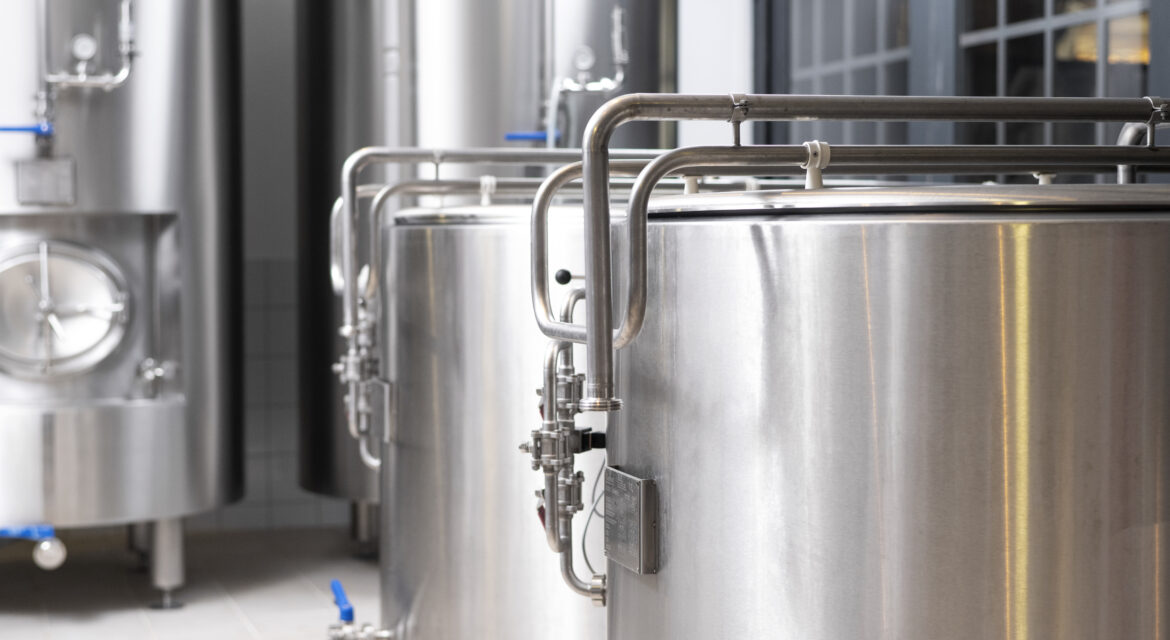
Plastic or iron containers can affect milk quality. Food-grade stainless steel tanks (SS304 or SS316) ensure hygiene and prevent bacterial growth.
2. Maintain the Right Temperature
Always store milk at 4°C. Even a small increase in temperature can speed up bacterial activity and spoil the milk.
3. Regular Cleaning and CIP Systems
Use Clean-in-Place (CIP) systems to automatically clean tanks and pipelines without dismantling them. This keeps your equipment germ-free and safe.
Conclusion
Clean equipment, proper temperature, and regular monitoring — these are the three pillars of hygienic milk storage. When maintained correctly, they ensure your customers always get pure, safe, and high-quality milk.